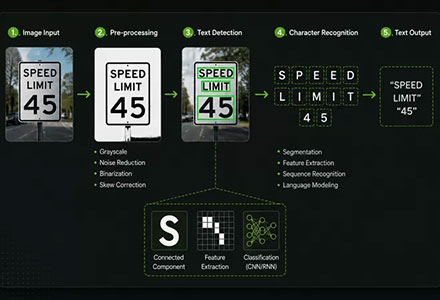



Aug 26, 2026 
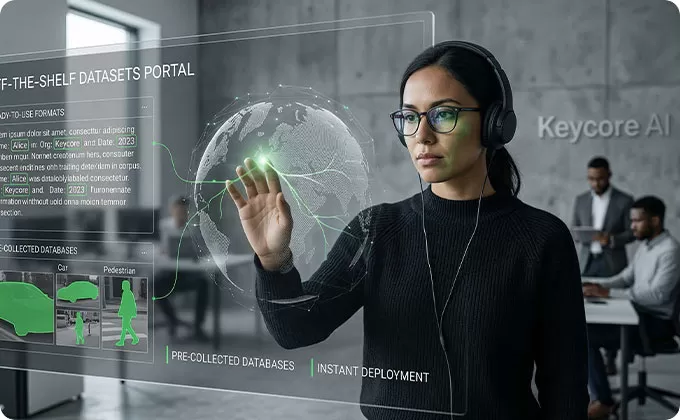
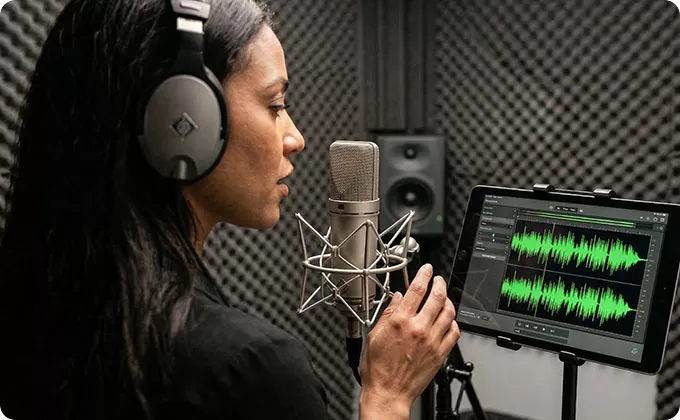


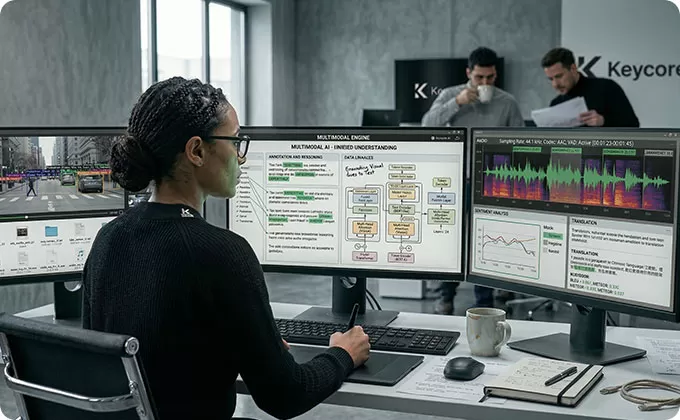
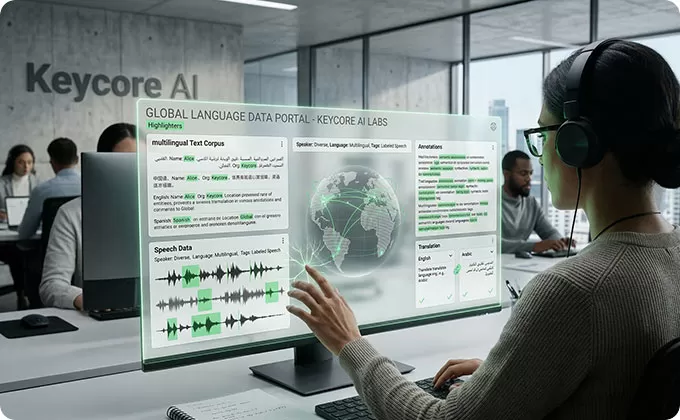
Building reliable AI models starts with high-quality ai training data, but project costs can vary dramatically depending on the data type, annotation complexity, quality requirements, and geographic coverage. In 2026, there is no universal price per image, audio file, or text sample. Most enterprise projects are priced based on annotation complexity, quality assurance standards, workforce expertise, delivery timeline, and project scale.
For businesses planning AI development, understanding the cost drivers behind data annotation training and dataset creation is essential for budgeting, selecting the right vendor, and maximizing model performance.
Unlike standardized software licenses, AI training data projects are highly customized. Two datasets with the same number of images may differ significantly in cost because of annotation complexity, data collection requirements, and quality control processes.
The most influential pricing factors include:
Data type (image, video, text, audio, multimodal)
Annotation complexity
Number of annotation classes
Workforce expertise
Language requirements
Geographic coverage
Data collection difficulty
Quality assurance process
Security and compliance requirements
Delivery timeline
For example, annotating 100,000 product images for e-commerce is significantly less expensive than collecting multilingual medical conversations or autonomous driving video data.
Many companies mistakenly assume annotation is the only cost involved.
In reality, enterprise projects often include:
| Service | Cost Impact | Complexity |
|---|---|---|
| Existing Dataset Annotation | Low | ★★☆☆☆ |
| Image Collection | Medium | ★★★☆☆ |
| Speech Data Collection | High | ★★★★☆ |
| Video Collection | High | ★★★★★ |
| Custom Multimodal Collection | Very High | ★★★★★ |
Collecting original data generally requires participant recruitment, consent management, location coordination, device standardization, and quality verification before annotation even begins.
Annotation difficulty has one of the greatest impacts on pricing.
Examples include:
Image classification
Text classification
Sentiment labeling
Keyword tagging
These tasks require less time per sample and are easier to scale.
Examples include:
Bounding boxes
Named Entity Recognition (NER)
Semantic labeling
Speech transcription
Projects often require experienced annotators and multiple review stages.
Examples include:
Polygon segmentation
Instance segmentation
3D LiDAR annotation
Medical image annotation
Multimodal alignment
These tasks demand specialized expertise, advanced annotation tools, and rigorous quality control, resulting in significantly higher costs.

Image annotation pricing depends on annotation type rather than image quantity alone.
Typical complexity ranking:
| Annotation Type | Relative Cost |
|---|---|
| Image Classification | Low |
| Bounding Box | Low-Medium |
| Keypoint Annotation | Medium |
| Polygon Annotation | High |
| Semantic Segmentation | Very High |
| Instance Segmentation | Very High |
Autonomous driving, robotics, agriculture, and medical AI projects generally require more sophisticated annotations than retail or e-commerce applications.
Speech projects involve much more than transcription.
Enterprise speech datasets may require:
Speaker recruitment
Native speakers
Regional accents
Noise-controlled environments
Device diversity
Age and gender balancing
Emotional speech
Wake word recording
Conversation simulation
For multilingual voice AI, collecting thousands of speakers across dozens of countries requires extensive project management and quality monitoring.
Projects supporting ASR, TTS, speaker verification, and conversational AI typically involve multiple rounds of validation before delivery.
Video annotation combines both image annotation and temporal analysis.
Common tasks include:
Object tracking
Lane detection
Human pose estimation
Behavior recognition
Event detection
Multi-object tracking
Frame-by-frame segmentation
A single minute of video may contain thousands of frames requiring consistent annotations, making video projects substantially more labor-intensive than static image labeling.
Yes.
Reducing annotation costs by sacrificing quality often leads to:
Lower model accuracy
Longer training cycles
Additional relabeling
Increased engineering costs
Delayed product launches
Enterprise AI projects typically implement multi-stage quality assurance, including:
Annotator training
Annotation guidelines
Peer review
Expert validation
Automated consistency checks
Random quality audits
Investing in professional data annotation training programs ensures annotators understand project requirements, maintain consistency, and deliver high-quality labels that improve downstream model performance.
Well-trained annotation teams consistently produce more accurate datasets with fewer revisions.
Professional data annotation training generally includes:
Domain-specific labeling guidelines
Annotation tool proficiency
Edge case identification
Quality scoring
Continuous feedback
Performance evaluation
Although these training processes increase operational costs, they reduce annotation errors, improve consistency, and shorten overall project timelines.
For industries such as healthcare, autonomous driving, finance, and security, experienced annotation teams are often essential for meeting quality requirements.
Cost optimization should focus on efficiency rather than cutting quality.
Effective strategies include:
Clear instructions reduce inconsistencies and minimize rework.
Small-scale validation helps identify labeling issues before full production begins.
Annotate only the most informative samples instead of the entire dataset.
AI-assisted pre-labeling can accelerate annotation while experienced reviewers verify accuracy.
Using segmentation when bounding boxes are sufficient can unnecessarily increase costs.
Established providers typically have mature workflows, scalable workforces, and robust quality management systems that reduce project risks.
When evaluating vendors, consider more than pricing.
Key questions include:
What quality assurance process is used?
Can the team support multilingual projects?
Are annotation guidelines customized?
Is the workforce trained for specialized industries?
What security certifications are available?
Can the provider scale globally?
What is the expected turnaround time?
How are edge cases reviewed?
Are datasets audited before delivery?
Selecting a partner based solely on the lowest quote can result in inconsistent annotations, delayed delivery, and higher long-term development costs.
The cost of ai training data depends on far more than the number of files being processed. Dataset type, annotation complexity, quality assurance, workforce expertise, regulatory requirements, and project scale all influence the final investment.
Rather than focusing on the lowest price, organizations should evaluate the overall value of a data partner, including annotation accuracy, project management capabilities, global data collection resources, and comprehensive data annotation training practices. High-quality datasets reduce model retraining, improve AI performance, and accelerate time to market, making them a strategic investment rather than a simple operational expense.
Pricing varies based on data type, annotation complexity, collection requirements, quality standards, and project size. Custom enterprise datasets generally require tailored quotations rather than fixed pricing.
Custom projects involve participant recruitment, original data collection, annotation guideline development, quality assurance, and multiple validation stages, all of which require additional resources.
Yes. Consistent, accurate annotations improve model accuracy, reduce retraining cycles, and lower the total cost of AI development over time.
In many enterprise projects, yes. Collecting new images, videos, speech recordings, or multilingual datasets often requires significantly more coordination and operational effort than annotating existing data.
Industries such as autonomous driving, healthcare, robotics, finance, smart manufacturing, security, and large language model (LLM) development typically require highly accurate, domain-specific ai training data supported by rigorous data annotation training and quality assurance processes.